










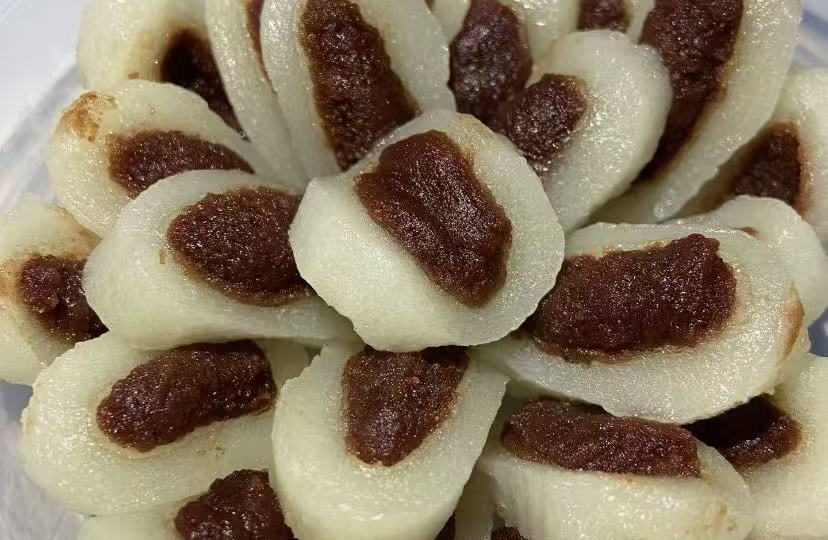

Some desserts try to impress with layers of cream and bold flavors. Red Bean Cake takes a different path. Soft, mildly sweet, and comforting, it has been enjoyed across East Asia for generations. Whether served with tea, shared during festivals, or enjoyed as an everyday snack, this humble dessert carries memories and traditions that go far beyond its simple ingredients.
More Than a Dessert, a Cultural Memory
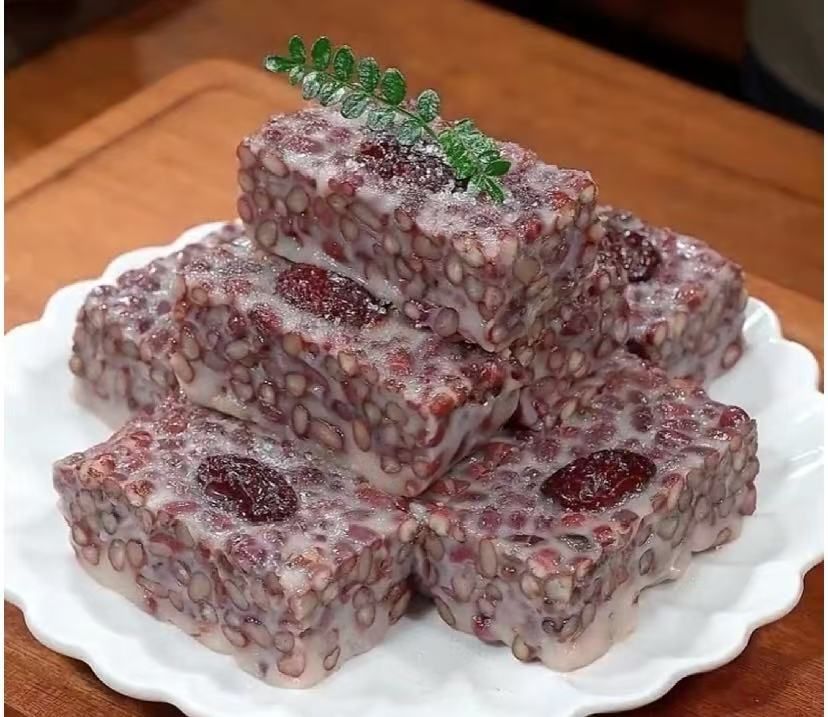
Red beans have long held special meaning in many Asian cultures. They symbolize happiness, prosperity, and good fortune. Because of this, sweets made from red beans often appear during celebrations and family gatherings.
Red Bean Cake is particularly popular in China, Japan, Korea, and other parts of East Asia. While recipes vary from region to region, the heart of the dessert remains the same: smooth red bean filling combined with a soft and satisfying texture.
Unlike heavily frosted cakes found in Western bakeries, Red Bean Cake focuses on balance. The sweetness is subtle, allowing the natural flavor of adzuki beans to shine.
The Magic Hidden Inside Adzuki Beans
At first glance, red beans may seem ordinary. But once cooked slowly with sugar, they transform into a rich and creamy paste that has become one of the most beloved ingredients in Asian desserts.
Adzuki beans have a slightly nutty flavor and pair beautifully with rice flour, wheat flour, and other traditional ingredients. Their mild taste makes them versatile enough to be steamed, baked, or shaped into delicate treats.
The filling can be smooth or slightly chunky, depending on personal preference. Some recipes even include chestnuts, lotus seeds, or black sesame for extra texture.
Red Bean Cake Around Asia
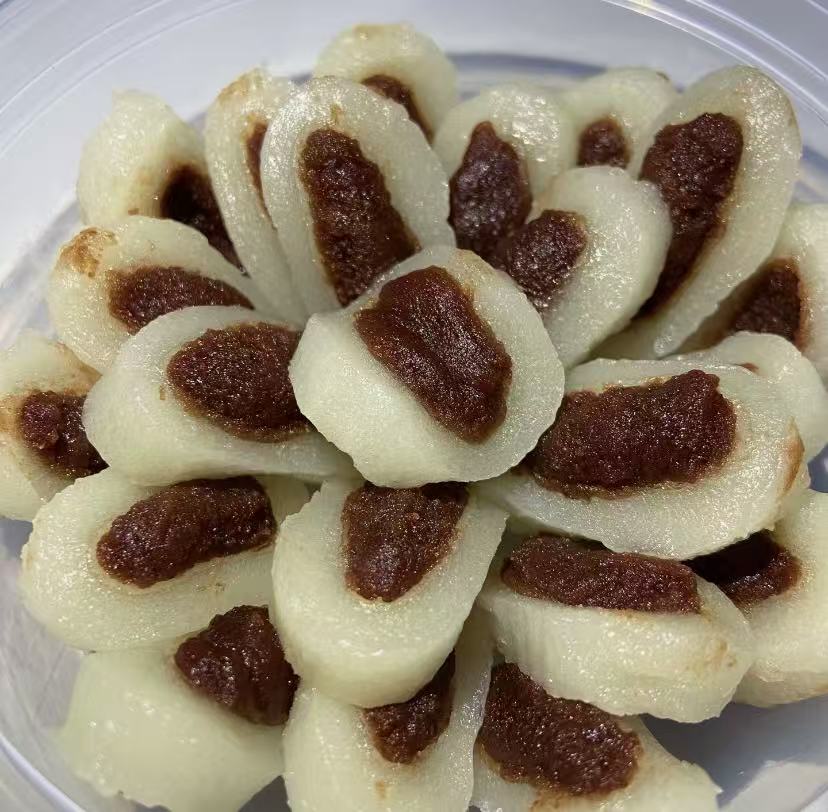
Although the name sounds simple, Red Bean Cake comes in many forms.
Chinese Versions: Soft and Festive
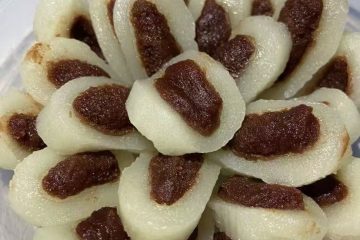
In China, red bean cakes are often steamed or molded into beautiful shapes. Some are served during Lunar New Year celebrations, while others are common tea-time snacks. Their delicate sweetness makes them a favorite among people who prefer lighter desserts.
Japanese Inspiration: Wagashi Elegance
Japanese sweets known as wagashi frequently feature sweet red bean paste. Certain cakes combine the paste with mochi or sponge cake, creating a refined texture that pairs perfectly with green tea.
Korean Touches: Simplicity and Warmth
In Korea, red bean fillings appear in various pastries and rice cakes. The emphasis is usually on soft textures and natural flavors, creating desserts that feel comforting rather than overwhelming.
Why Red Bean Cake Feels Different
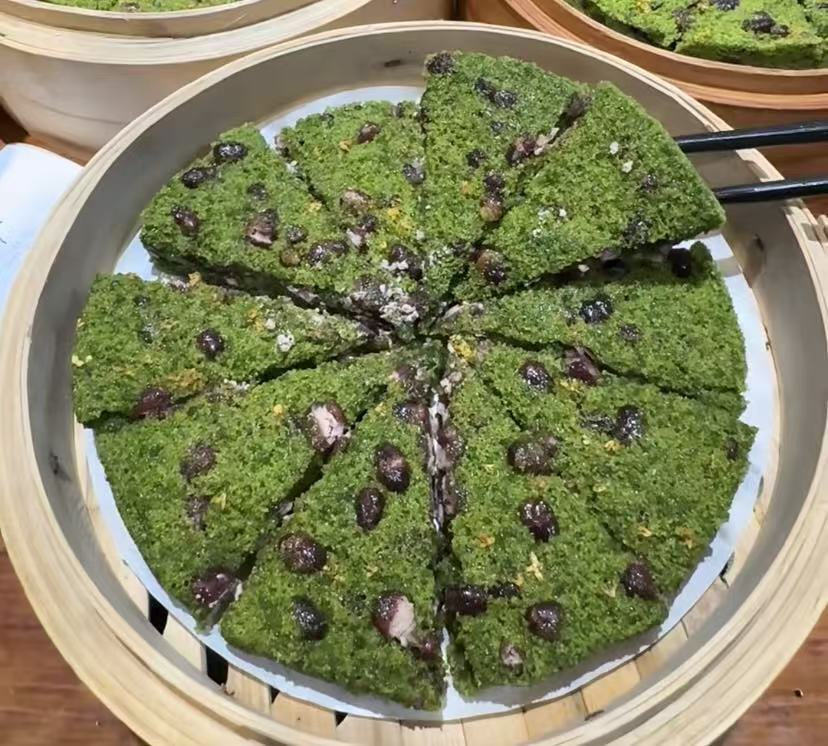
Modern desserts often rely on rich cream, chocolate, or intense sweetness. Red Bean Cake offers something quieter.
A Softer Sweetness
The sweetness is gentle rather than overpowering. This makes it enjoyable even for those who do not usually crave sugary treats.
A Comforting Texture
Depending on how it is prepared, the cake may be soft, chewy, or silky. Every bite feels light yet satisfying.
A Perfect Tea Companion
Many people enjoy Red Bean Cake alongside jasmine tea, green tea, or oolong tea. The combination creates a relaxing moment that slows down the pace of everyday life.
From Traditional Kitchens to Modern Cafés

Today, Red Bean Cake is finding new audiences around the world. Asian bakeries and dessert cafés have introduced creative versions that appeal to younger generations.
Some modern variations include:
- Matcha Red Bean Cake
- Red Bean Cheesecake
- Coconut Red Bean Cake
- Mochi-filled Red Bean Cake
- Mini Red Bean Cupcakes
These new creations preserve the familiar taste of red beans while adding contemporary twists.
Social media has also played a role in bringing attention to traditional desserts. Beautifully shaped cakes and colorful presentations have helped people discover flavors that may have been unfamiliar before.
The Joy of Making Red Bean Cake at Home
One reason people continue to love this dessert is that it can be made with relatively simple ingredients.
A basic version usually includes:
- Adzuki beans
- Sugar
- Rice flour or wheat flour
- Water
- Oil or butter
The process begins with soaking and cooking the beans until they become soft. After being sweetened, the paste is combined with the outer layer or batter before steaming or baking.
Homemade Red Bean Cake allows families to adjust sweetness levels and experiment with textures. For many people, making it together becomes a cherished tradition passed down through generations.
A Taste Connected to Seasons and Festivals
Certain foods become symbols of special occasions, and Red Bean Cake is no exception.
It often appears during:
- Lunar New Year celebrations
- Mid-Autumn gatherings
- Family reunions
- Tea ceremonies
- Traditional festivals
Because red symbolizes happiness and luck in Chinese culture, desserts featuring red beans naturally became associated with joyful moments.
Yet Red Bean Cake is not reserved only for holidays. Many people enjoy it as an afternoon snack or a comforting dessert after dinner.
Why Red Bean Cake Still Matters Today
Food trends change constantly. New desserts appear every year, and flavors come and go. But some classics remain because they offer something timeless.
Red Bean Cake reminds people that desserts do not need to be extravagant to be memorable. Sometimes the most comforting flavors come from simple ingredients and traditions that have been passed down for centuries.
Its gentle sweetness, cultural roots, and endless variations have helped it survive changing tastes and generations. In a world filled with fast-moving trends, Red Bean Cake remains a quiet reminder that simple pleasures often leave the deepest impressions.
You may also read:
Korean Bibimbap (Stone Pot Rice): A Traditional and Healthy Dish
