
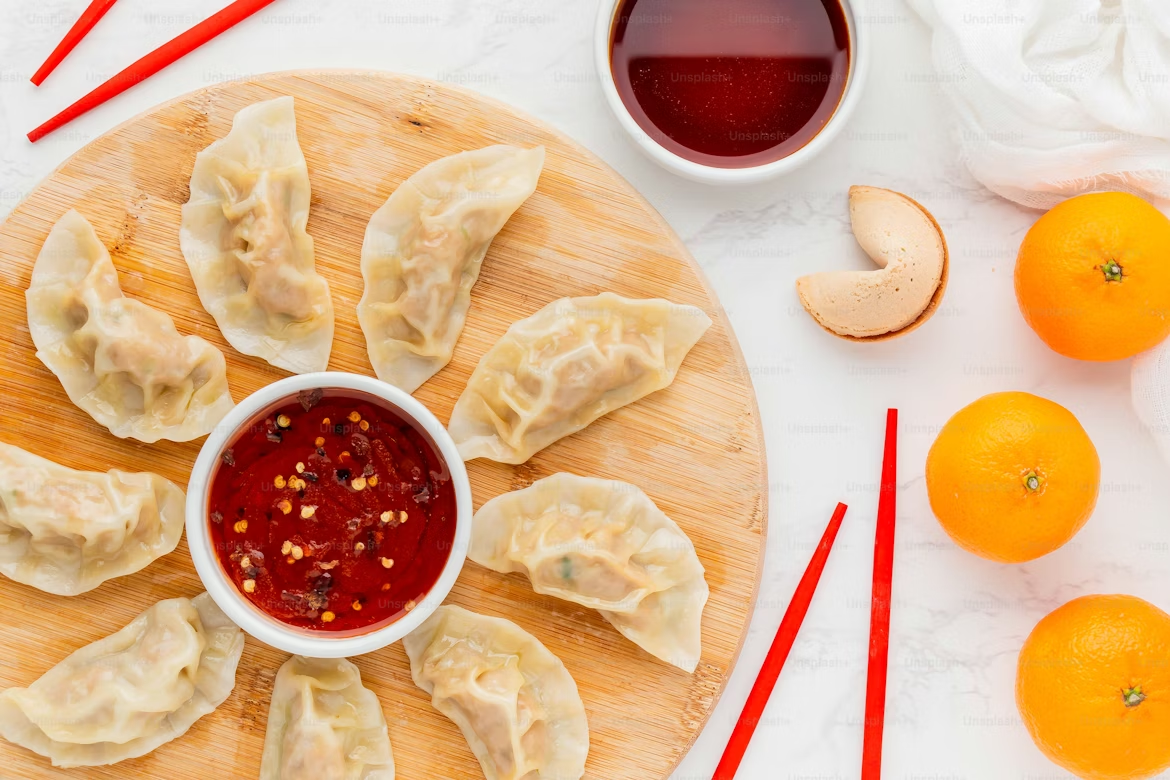
Dumplings are one of the most iconic traditional foods in Chinese cuisine, with a history that spans more than a thousand years. More than just a dish, dumplings represent family unity, cultural identity, and seasonal celebration. Today, they are enjoyed not only across China but also around the world, becoming a global comfort food loved for their simplicity and rich flavor.
The Origins of Dumplings: From Healing Food to Cultural Tradition
The origin of dumplings is often traced back to the Eastern Han Dynasty. According to legend, a famous Chinese physician named Zhang Zhongjing created an early version of dumplings to help people suffering from frostbite during harsh winters. He wrapped lamb, herbs, and medicinal ingredients inside dough shaped like ears, offering both nourishment and warmth.
Over time, this medicinal food gradually evolved into a common household dish. By the Tang and Song dynasties, dumplings had already become popular across different regions of China. During the Ming and Qing dynasties, they became a central part of festival meals, especially during the Lunar New Year.
In Chinese culture, dumplings symbolize wealth and prosperity because their shape resembles ancient gold ingots used as currency. Eating dumplings during celebrations is believed to bring good fortune and happiness in the coming year.
The Art of Making Dumplings: Simple Ingredients, Skilled Hands
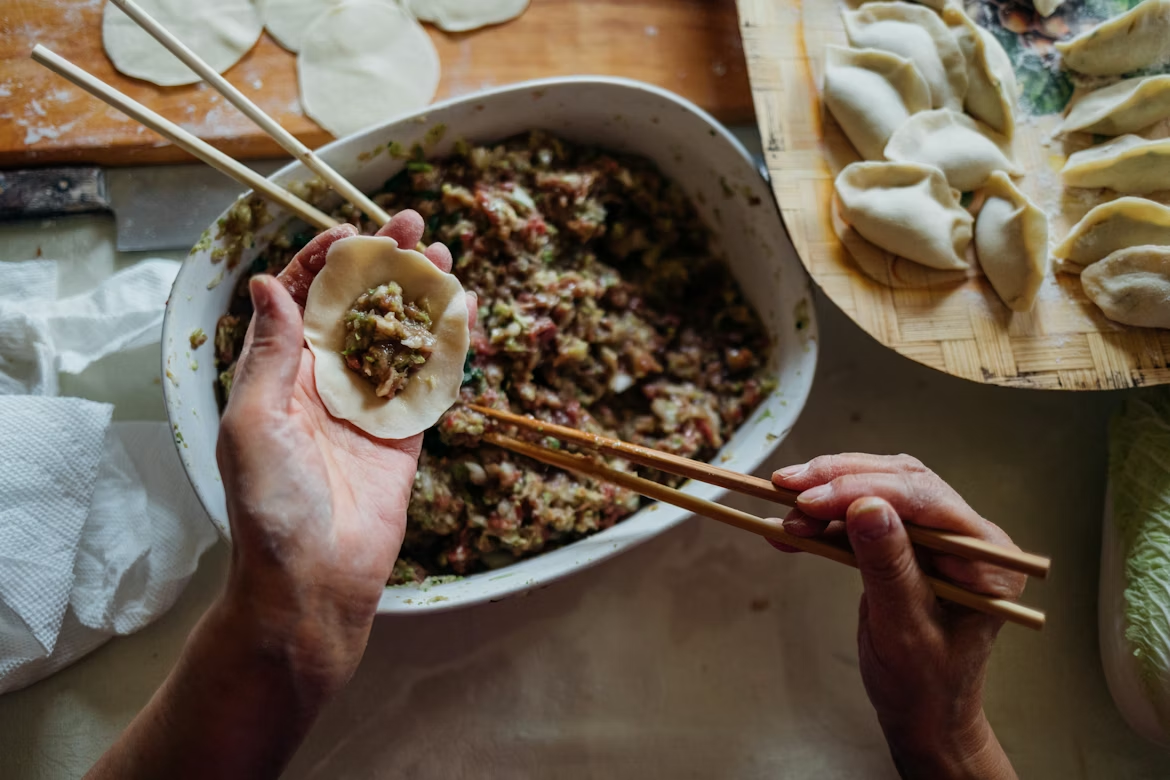
Although dumplings may appear simple, their preparation involves careful craftsmanship and attention to detail.
Dough Preparation
The wrapper is usually made from flour and water, kneaded into a smooth dough. Some recipes add eggs to improve elasticity. The dough is then rolled into thin circles, typically thicker in the center and thinner at the edges to prevent tearing during cooking.
Filling Selection
The filling is the heart of the dumpling. Popular fillings include:
- Pork and cabbage
- Pork and chives
- Beef and onion
- Shrimp and vegetables
Regional variations are common. Northern China tends to favor hearty meat fillings, while southern regions often prefer lighter and more delicate ingredients such as seafood or vegetables.
Wrapping Techniques
There are many folding styles, including crescent-shaped, ingot-shaped, and pleated designs. Each style not only affects appearance but also influences texture and cooking consistency. Skilled dumpling makers often develop their own signature folding techniques passed down through generations.
Cooking Methods: Different Styles, Different Flavors
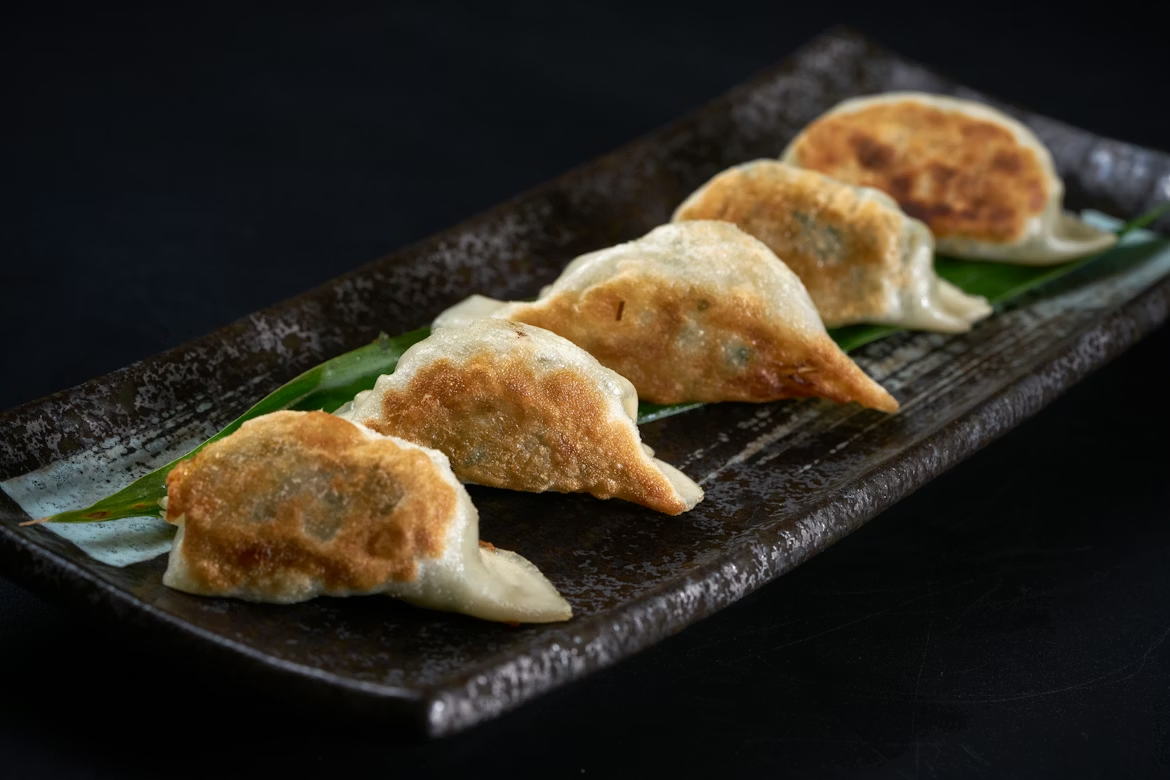
Dumplings can be prepared in several ways, each offering a unique texture and taste experience.
Boiled Dumplings
The most traditional method involves boiling dumplings in water until they float to the surface. This results in a soft and juicy texture that highlights the natural flavor of the filling.
Pan-Fried Dumplings
Also known as “potstickers,” this method involves frying dumplings in a pan until the bottom becomes crispy and golden, while the top remains soft and tender. The contrast between textures makes this version especially popular.
Steamed Dumplings
Steaming preserves the original flavor of the ingredients while giving the wrapper a smooth and slightly chewy texture. This method is often considered the healthiest way to enjoy dumplings.
Dumplings in Modern Culture
In today’s world, dumplings have gone far beyond traditional Chinese celebrations. They are now a global dish found in restaurants, street food stalls, and frozen food aisles in many countries.
In cities like New York, London, and Sydney, dumpling restaurants have become trendy dining spots. Chefs often experiment with fusion fillings such as cheese, truffle, or even vegan alternatives.
Despite these modern variations, the core essence of dumplings remains unchanged: they bring people together. Families still gather to make dumplings by hand during holidays, turning cooking into a shared experience filled with laughter and conversation.
A Food That Connects Generations
One of the most beautiful aspects of dumplings is their ability to connect generations. Grandparents teach grandchildren how to wrap dough, while parents pass down secret family recipes. Each dumpling carries not just ingredients, but also memory and emotion.
In many households, making dumplings is more than cooking—it is a ritual of bonding. The process itself becomes just as meaningful as eating the final dish.
Dumplings are more than just food; they are a symbol of history, culture, and human connection. From ancient Chinese medicine to modern global cuisine, Dumplings have traveled across time and borders, carrying stories within every fold. Whether boiled, fried, or steamed, they continue to bring comfort and joy to millions of people around the world.