



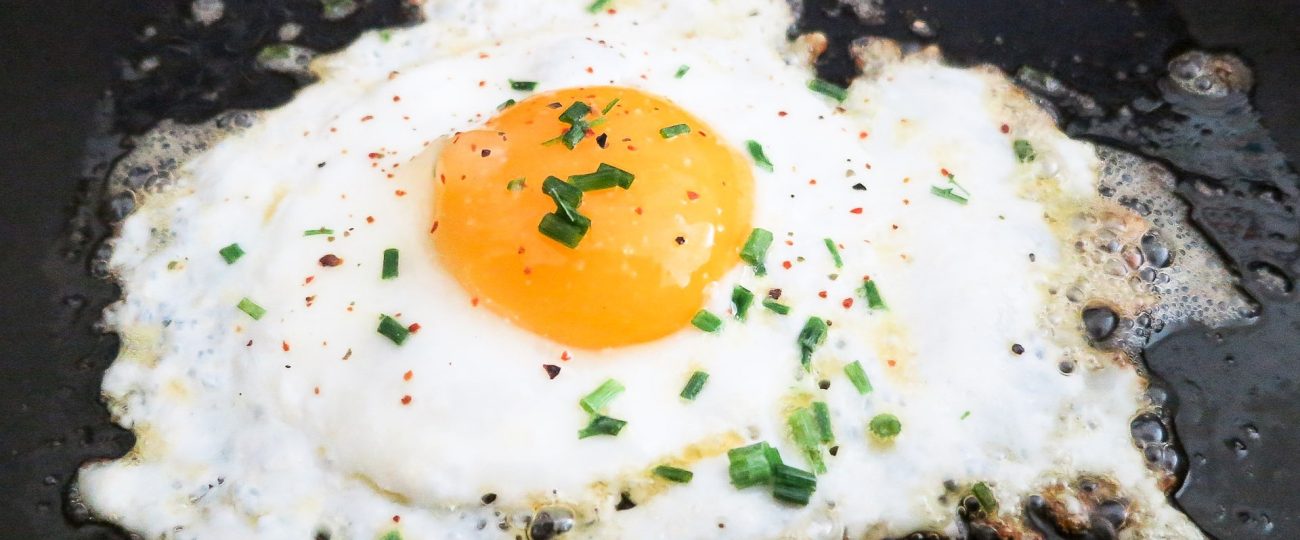

Frying a perfect fried egg may seem simple , but achieving golden edges, tender whites, and a slightly runny yolk requires skill.
With the right pan, oil, heat, and seasoning, anyone can make a delicious breakfast in minutes.
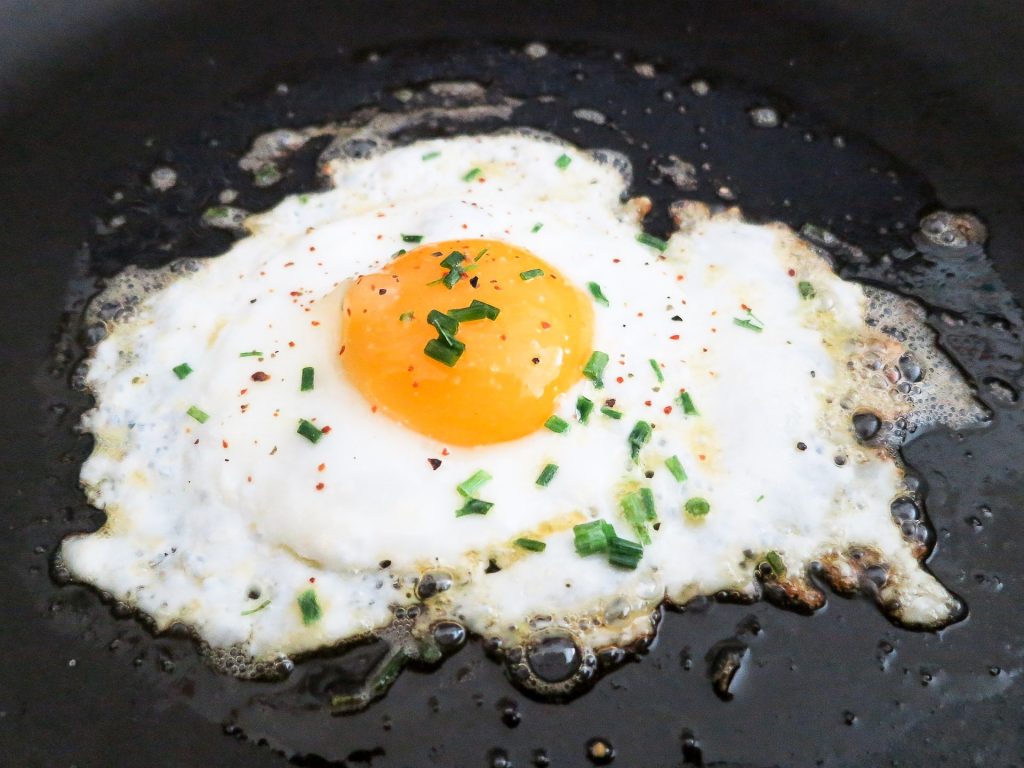
Choosing Eggs and Preparing for Cooking for the Perfect Fried Egg
Fresh eggs: Firm whites and plump yolks fry best.
Room temperature: Let eggs sit 10–15 minutes to prevent shrinking.
Tip: Check shells and gently mix yolk and whites for even cooking.
Pan, Oil, and Heat
Pans: Non-stick pans are easiest; cast-iron adds flavor.
Oil: Butter for richness, olive or vegetable oil for lighter, healthier option.
Heat: Medium-low is ideal; too high makes whites crispy and yolks undercooked.
Tip: Combine butter and oil for flavor and non-stick performance.
Cooking Techniques for the Perfect Fried Egg
Sunny-side up: 2–3 minutes until whites are set
Over-easy: 1–2 minutes per side
Covering the pan: Add a splash of water and cover 20–30 seconds for tender whites
Flip minimally to maintain shape; use molds or rings for perfectly round eggs.
Seasoning and Variations
Basic: Salt and black pepper
Advanced: Herbs, cheeses, or a pinch of chili/garlic powder
Creative: Add vegetables, wrap eggs around fried rice or sausages, or microwave yolks briefly for semi-runny texture
Common Issues and Fixes
Sticking whites: Preheat pan and use medium-low heat
Broken yolks: Flip gently, slide spatula under the edge
Overcooked whites: Reduce heat and watch cooking time
Uneven cooking: Cover pan or cook slowly for even results
Conclusion
Creating a perfect fried egg is simple when using medium-low heat, minimal flipping, butter protection, and proper seasoning.
Master these steps to enjoy crispy, golden, and tender eggs every morning.
Quick Tip: Medium-low heat + minimal flipping + butter + cover = perfect fried eggs!