












A Journey Through Sushi History
Sushi, often seen as a symbol of Japanese cuisine worldwide, has a history stretching back centuries. Its origin is deeply rooted in Southeast Asia, where fermented fish with rice was a common preservation method. Over time, this evolved in Japan into a culinary art form that balances freshness, texture, and visual appeal. By the Edo period (1603–1868), modern sushi—fresh fish served with vinegared rice—emerged, laying the foundation for the sushi we know today.
Sushi was not always the luxurious food we associate it with today. Originally, it was a convenient and affordable street food, eaten quickly by busy workers. This accessibility helped spread sushi across Japan, eventually becoming a national culinary treasure.
Understanding the Different Types of Sushi
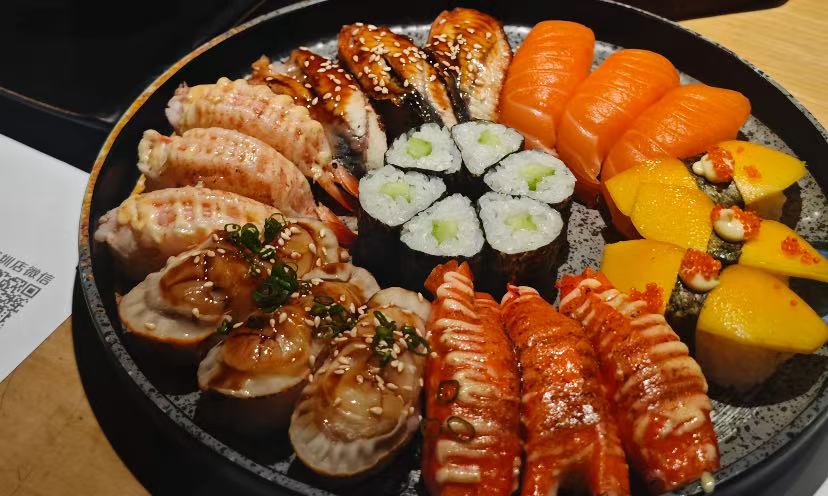
Sushi is not a single dish but a category of dishes with unique preparation methods. Here are some popular types:
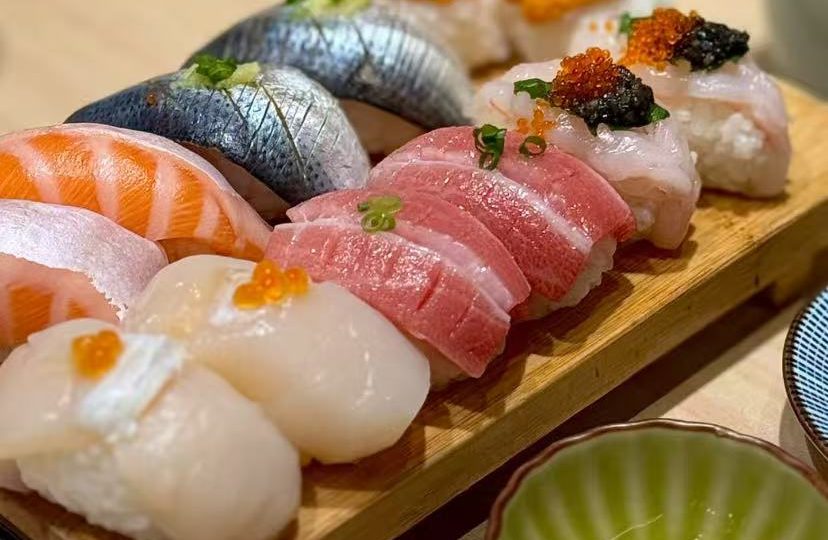
- Nigiri – A hand-pressed mound of rice topped with fresh fish or seafood. Simplicity is key, highlighting the quality of ingredients.
- Maki – Rolled sushi, where rice and fillings like fish, cucumber, or avocado are wrapped in seaweed (nori).
- Temaki – Cone-shaped hand rolls, perfect for casual dining and portable enjoyment.
- Sashimi – While technically not sushi, sashimi consists of thin slices of raw fish, often served alongside sushi dishes.
- Chirashi – A “scattered” sushi bowl where various toppings rest on a bed of sushi rice, offering vibrant colors and textures.
Each type brings a different experience, whether emphasizing flavor, presentation, or convenience.
The Importance of Fresh Ingredients
The cornerstone of sushi is its ingredients. Freshness is paramount, especially for seafood. High-quality fish, rice, and even the simplest condiments like soy sauce and wasabi make a significant difference. Sushi chefs, or itamae, often train for years to perfect their craft, mastering knife techniques, seasoning, and even the subtle art of rice preparation.
Rice is more than just a base for sushi—it carries the delicate flavors of the toppings. Sushi rice is seasoned with a blend of rice vinegar, sugar, and salt, balancing tanginess with a subtle sweetness that complements the fish perfectly.
Sushi Etiquette and Enjoyment
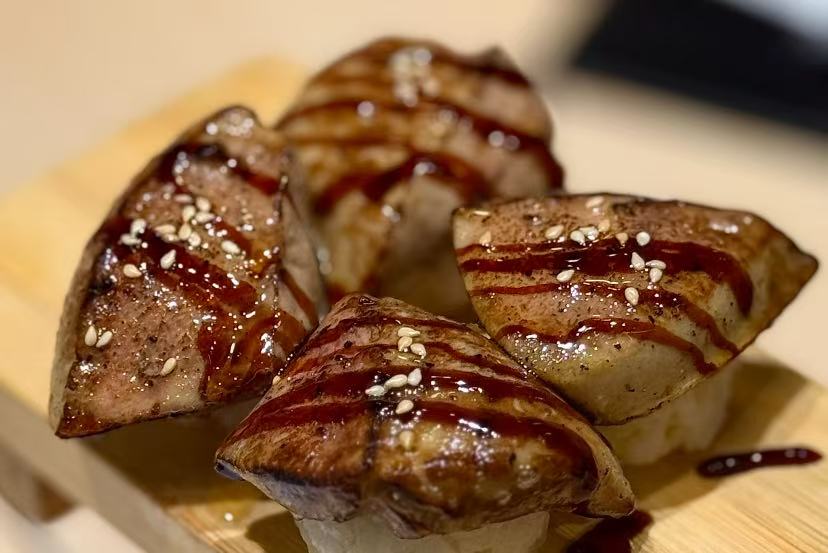
Sushi is not only about taste; it is also about appreciation. Eating sushi involves subtle etiquette:
- Chopsticks or Hands – Nigiri can be eaten with either, though using hands is traditional.
- Soy Sauce Use – Dip fish side lightly to avoid overpowering the flavor.
- Wasabi Balance – Some sushi already includes wasabi; adding more should be done carefully.
- Ginger as a Palate Cleanser – Eat pickled ginger between different types of sushi to refresh your taste buds.
Savoring sushi slowly, appreciating the texture, aroma, and presentation, elevates the dining experience from mere eating to an artful enjoyment.
Modern Twists on Traditional Sushi
While traditional sushi remains beloved, modern culinary creativity has transformed sushi into an international phenomenon. Rolls with tropical fruits, fusion sushi incorporating international flavors, and vegetarian alternatives are now common. Sushi burritos and sushi tacos offer portable, playful interpretations of this classic dish.
Moreover, sushi culture has embraced global accessibility. Sushi restaurants flourish worldwide, adapting local ingredients while maintaining the essence of freshness and craftsmanship. This fusion demonstrates how a traditional Japanese dish can evolve while preserving its identity.
Sushi Beyond the Plate: Cultural Significance
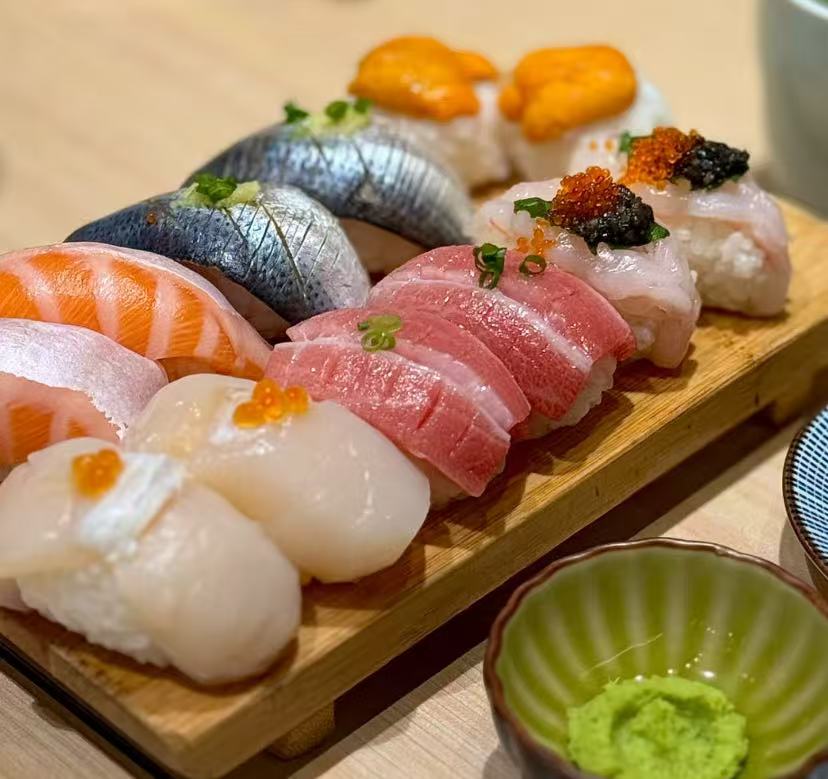
Sushi is more than food; it represents Japanese values of simplicity, precision, and respect for natural ingredients. It reflects the seasons, as many sushi varieties depend on seasonal seafood. Festivals and celebrations often feature sushi, emphasizing its role in social and cultural life.
Chefs often consider color, arrangement, and balance, transforming sushi into a visual art form. The experience of sushi is therefore multisensory: taste, sight, and even the subtle sounds of preparation contribute to its charm.
Tips for Sushi Lovers
For those new to sushi or seeking to deepen their appreciation:
- Start with Familiar Flavors – Try mild fish like salmon or tuna before venturing into more adventurous options like sea urchin or eel.
- Learn the Seasons – Seasonal fish offer the best taste and freshness.
- Explore Sushi Bars – Sit at the counter to watch the chef craft each piece, enhancing the experience.
- Experiment with Pairings – Sake, green tea, or light beers complement sushi well.
Understanding sushi’s depth and history enriches the enjoyment, turning each meal into a journey through Japanese culture and culinary artistry.
Sushi embodies a delicate balance of tradition, freshness, and creativity. Whether enjoyed in a bustling Tokyo sushi bar or a local restaurant abroad, it offers a glimpse into the artful simplicity and rich cultural heritage of Japan. Exploring sushi is a journey not only of flavors but also of history, craftsmanship, and aesthetic appreciation.
You may also read: